Vietnam Food Culture: Understanding the Traditions Behind Vietnamese Cuisine
Vietnamese food is often introduced through a short list of famous dishes—phở, bánh mì, bún chả, bánh xèo and Vietnamese coffee—but the real story of Vietnamese cuisine is much deeper. Food in Vietnam is closely connected to family, geography, agriculture, history, religion, festivals and everyday relationships. A meal is rarely just a way to satisfy hunger. It can be an expression of respect for grandparents, a reason for relatives to gather, a ritual during Tết, a way to welcome guests or simply an opportunity for friends to sit together after work.
Vietnam’s food culture is also remarkably regional. The same basic ingredients—rice, fish sauce, herbs, noodles and vegetables—can produce very different dishes depending on where you are. Northern cuisine is generally associated with subtle seasoning and balance; Central Vietnamese food is often more strongly seasoned and spicy; Southern cooking frequently makes greater use of sweetness, coconut and tropical ingredients.
Understanding these traditions changes the way you experience Vietnamese food. Instead of asking only, “What should I eat?”, you begin asking Why is this dish eaten at breakfast? Why is this meal shared? Why does the recipe change from Hanoi to Hue? Why are certain foods prepared for Tết? Why do Vietnamese families place food on an ancestral altar? The answers reveal a great deal about Vietnamese culture itself.
Food Is an Expression of Family in Vietnam
One of the most important ideas in Vietnamese food culture is that meals are often shared rather than individually plated. A typical family meal may place several dishes in the middle of the table: rice, vegetables, soup, meat or fish, pickles and dipping sauces. Everyone takes food from the communal dishes and adds it to their own rice bowl.
This style of eating encourages conversation and sharing. It also reinforces family relationships. Vietnamese cultural guidance describes food as an important expression of care, noting that inviting someone to stay for a meal is a common gesture of hospitality and affection.
That is why the question “Em ăn cơm chưa?”, literally “Have you eaten rice yet?”, can function as much more than a question about food. It can be a simple expression of concern: Are you well? Have you eaten? Are you taking care of yourself?
The Vietnamese Family Meal
A traditional family meal often includes steamed rice as the central staple, accompanied by several shared dishes. There may be a soup, a vegetable dish, a meat or fish dish, a dipping sauce and something pickled or fermented.
There is usually no need for every person to order a separate entrée. Instead, the table becomes the meal.
This is important for travelers because ordering Vietnamese food works differently from ordering in many Western restaurants. Rather than everyone selecting one large individual dish, a group can order several smaller dishes and share them.
The experience becomes more social and gives everyone a chance to taste different flavors.
Rice Is at the Heart of Vietnamese Food Culture
Rice is much more than one ingredient in Vietnamese cuisine. It is a foundation of Vietnamese agriculture, language, family meals and traditional food.
Rice appears as steamed rice, sticky rice, rice noodles, rice paper, rice cakes, rice porridge, fermented rice products and desserts. Phở uses rice noodles, bánh cuốn uses steamed rice batter, bánh mì is served in a baguette but often alongside rice-based meals, and chè can incorporate glutinous rice.
The importance of rice is also reflected linguistically. The Vietnamese word “cơm” can refer not only to cooked rice but, in everyday speech, to the meal itself.
Why Vietnamese Meals Use So Many Fresh Herbs
Fresh herbs are one of the most recognizable characteristics of Vietnamese cuisine. Mint, coriander, Thai basil, perilla, Vietnamese balm and other herbs may be placed beside noodle soups, grilled meats, rice dishes and spring rolls.
These herbs do more than add decoration. They bring freshness, fragrance and texture and often balance richer or saltier elements.
In a bowl of bún chả, for example, grilled pork is combined with noodles and large amounts of herbs. With phở, herbs can change the aroma and freshness of the broth. With bánh xèo, herbs and lettuce transform a crispy pancake into a lighter, more complex bite.
For visitors, one of the easiest ways to understand Vietnamese food is to actually eat the herbs rather than leaving them untouched on the plate.
The Five Flavors in Vietnamese Cuisine
Vietnamese cooking often seeks a balance between sweet, sour, salty, bitter and spicy elements. The exact balance varies according to region and dish.
A dipping sauce can combine fish sauce, sugar, lime, chili and water to create several flavors at once. A soup can balance sour ingredients with sweetness. A grilled meat dish may be rich and savory while fresh herbs add bitterness and aroma.
The aim is rarely for one flavor to completely dominate.
This is one reason Vietnamese food can feel complex even when the ingredient list looks simple.
Fish Sauce Is More Than a Condiment
Nước mắm, or Vietnamese fish sauce, is fundamental to the country’s cuisine. It can be used during cooking, in marinades, in dipping sauces and as a seasoning added at the table.
Fish sauce is made from fermented fish and salt, creating a deep savory flavor. A good nước chấm—the prepared dipping sauce—can transform an otherwise simple meal.
Travelers who dislike the smell of fish sauce should understand that it is often incorporated into a dish rather than served separately. You may enjoy Vietnamese food even if you do not drink or eat fish sauce directly.
The Art of Vietnamese Dipping Sauce
Many Vietnamese dishes come with a sauce that is carefully balanced rather than simply poured over the food.
A classic nước chấm may contain fish sauce, sugar, lime or vinegar, water, garlic and chili. The proportions can vary considerably between families and regions.
This explains why two restaurants serving the same dish can taste surprisingly different.
In Vietnamese cuisine, the sauce is part of the recipe.
Why Vietnamese Food Is So Regional
Vietnam stretches a long distance from north to south, with mountains, river deltas, coastline and tropical lowlands. Climate and available ingredients naturally shape the food.
The North, especially Hanoi and the Red River Delta, is associated with relatively subtle and balanced flavors.
Central Vietnam, including Hue, Da Nang and Hoi An, is known for stronger seasonings, more chili and distinctive regional specialties.
The South, including Ho Chi Minh City and the Mekong Delta, has abundant tropical ingredients and often uses more sugar and coconut.
These are broad patterns rather than rigid rules, but they become increasingly obvious as you travel.
Northern Vietnamese Food Culture
Northern Vietnamese cuisine has a reputation for elegance, restraint and balance. Cooks often allow the main ingredients—meat, fish, broth, herbs and vegetables—to remain recognizable rather than covering them with heavy seasoning.
Hanoi is the best place to explore this tradition.
Classic Northern dishes include:
Phở
Bún chả
Bánh cuốn
Chả cá
Bún thang
Bún ốc
Bún đậu mắm tôm
These dishes show how Northern cuisine can be delicate without being bland.
Hanoi and the Culture of Breakfast
Hanoi’s food culture is particularly visible early in the morning. Streets become active with vendors preparing phở, bánh cuốn, xôi and other breakfast dishes.
Breakfast is often quick, practical and eaten outside the home. Small restaurants may specialize in just one dish and operate primarily during the morning.
This creates a strong connection between food and the rhythm of the city.
For travelers, waking early and having breakfast where local people eat can be one of the easiest ways to experience authentic daily life.
Phở and Vietnamese Food Identity
Phở has become the international symbol of Vietnamese cuisine, but the dish itself demonstrates the importance of regional traditions.
Hanoi phở generally emphasizes clear broth, noodles and the main protein, with restrained seasoning.
Southern versions often provide more herbs, bean sprouts and additional condiments.
The dish is therefore not just “Vietnamese phở.” It can also be Northern phở or Southern phở, each reflecting local preferences.
Bún Chả and Hanoi Street Life
Bún chả demonstrates another important aspect of Vietnamese food culture: cooking in public.
The pork is grilled over charcoal, often directly beside the street. The aroma becomes part of the neighborhood.
The dish is eaten with noodles, herbs and dipping broth, and the meal itself is casual. Plastic stools and small tables are not considered inferior to elaborate dining rooms. They are simply another setting for eating.
Central Vietnamese Food Culture
Central Vietnam has one of the country’s most distinctive culinary traditions. The region includes the former imperial city of Hue, the trading port of Hoi An, coastal cities and mountainous areas.
Central food is often more intensely seasoned and can be noticeably spicier than Northern food.
At the same time, Central cuisine includes an enormous variety of small dishes, rice cakes, noodles and carefully prepared foods.
Hue and Imperial Food Traditions
Hue was Vietnam’s imperial capital, and this history influenced its culinary culture.
Royal cuisine emphasized careful preparation, presentation and variety. Some modern Central Vietnamese dishes still reflect this appreciation for detail.
At the same time, Hue also has a thriving everyday street-food culture. A visitor can eat a simple bowl of bún bò Huế in the morning and later discover delicate dishes such as bánh bèo, bánh nậm and bánh bột lọc.
This coexistence of refined and ordinary food is one of Hue’s most interesting characteristics.
Bún Bò Huế
Bún bò Huế represents the bold side of Central Vietnamese cuisine. Lemongrass, chili and other spices create a deeply aromatic broth, while beef and pork provide richness.
Compared with Hanoi phở, the difference is immediate.
Eating both during the same Vietnam trip is one of the easiest ways to understand regional Vietnamese cooking.
Hoi An and Local Food Identity
Hoi An is another excellent example of how a Vietnamese destination can build a strong culinary identity around a small number of dishes.
Cao lầu, mì Quảng and cơm gà Hội An are especially important.
The Ancient Town is compact, so travelers can combine food with walking, markets, traditional architecture and riverfront experiences.
Southern Vietnamese Food Culture
Southern Vietnamese cuisine is often associated with sweetness, abundance and tropical ingredients. Coconut, fruit, sugar, freshwater fish, seafood and vegetables are widely used.
Ho Chi Minh City is the obvious urban base for exploring Southern cuisine, while the Mekong Delta offers a closer connection to the agricultural environment that produces many of the ingredients.
Cơm Tấm and Southern Identity
Cơm tấm, or broken rice, is one of the signature dishes of Southern Vietnam.
A typical plate may include grilled pork, egg, vegetables and fish-sauce dressing. It demonstrates the Southern preference for combining smoky, savory and slightly sweet flavors.
Like bún chả in Hanoi, cơm tấm is much more than a meal. It is part of the identity of the city.
Coconut in Southern Vietnamese Cooking
Coconut appears frequently in Southern cuisine because coconut palms thrive in the tropical environment.
Coconut milk, coconut water and grated coconut can appear in savory dishes, soups, desserts and drinks.
This is one reason Southern Vietnamese cooking can taste richer and sweeter than Northern food.
Vietnamese Food and Agriculture
Vietnamese cuisine is deeply connected to agriculture. Rice paddies, vegetable gardens, fruit orchards, fishing villages and livestock production all contribute directly to the food on the table.
This connection becomes especially visible outside major cities.
In the Red River Delta, you can see vegetable farming near Hanoi. In the Mekong Delta, waterways and orchards shape local food culture.
A food tour that includes a market or rural area can therefore explain much more than a restaurant alone.
Vietnamese Markets Are Part of Food Culture
Markets are places to see Vietnamese food before it becomes a finished dish.
You may see vendors sorting herbs, cleaning fish, arranging fruit, preparing tofu and selling freshly made noodles.
Markets also reveal seasonality. Certain fruits, vegetables and flowers appear at particular times of year.
For travelers interested in food culture, a morning market can be as valuable as a famous restaurant.
Family Meals and Sharing
Vietnamese family meals are generally communal. Several dishes are placed in the center and shared.
A typical meal may include rice, soup, vegetables, meat or fish and a dipping sauce.
The structure encourages moderation. You take a small amount of several dishes instead of eating one enormous portion of a single food.
This also makes Vietnamese meals naturally suited to families and groups.
Respect for Elders at the Dining Table
Food culture is connected to age and respect.
Vietnamese cultural guidance notes that in traditional family settings, meals may begin only when the oldest person takes the first bite, reflecting broader respect for elders. Food is also offered at ancestral altars during important occasions.
For visitors invited to a Vietnamese family meal, paying attention to the host and older family members is a simple way to show respect.
Food and Ancestral Worship
Food can also be used as an offering.
Many Vietnamese homes have ancestral altars, and food may be placed there during Tết, death anniversaries and other important occasions.
The meal is therefore connected not only with living family members but also with remembrance and continuity between generations.
This is an important cultural context for understanding why certain foods appear during ceremonies.
Tết and Vietnamese Food Traditions
Tết, the Vietnamese Lunar New Year, is perhaps the clearest example of food becoming a cultural symbol.
Families prepare special foods for reunion, celebration and good fortune. Bánh chưng in the North and bánh tét in many Southern and Central traditions are among the best-known Tết foods. Both are made from glutinous rice, mung bean and pork, wrapped in leaves and cooked for hours.
Other Tết foods can include braised pork, pickled vegetables, candied fruits, sticky rice and special sweets.
Food is not an accessory to the celebration. It is one of its central elements.
Bánh Chưng and Bánh Tét
Bánh chưng is traditionally square, while bánh tét is generally cylindrical.
Both represent the importance of rice and agricultural traditions and are prepared in enormous quantities for family gatherings.
The preparation can itself become a family activity, with several generations participating.
Food and Hospitality
Offering food is one of the most common ways Vietnamese people show hospitality.
A guest visiting near mealtime may be invited to eat. A host may continue adding food to your bowl or encourage you to try one more dish.
Refusing everything repeatedly can sometimes make the host think you are not enjoying the meal.
The best approach is to accept a little, taste it and express appreciation.
Why Vietnamese People Eat Together
Shared meals create opportunities for conversation and relationship-building.
Business discussions can continue over lunch. Friends meet over coffee. Families gather around dinner. Guests are welcomed with food.
This means that Vietnamese cuisine is inherently social.
A dish becomes part of a relationship rather than simply a product being purchased.
Vietnamese Coffee Culture
Coffee is another important part of food culture.
Traditional phin coffee, cà phê sữa đá, egg coffee and coconut coffee demonstrate how Vietnam adapted coffee into a distinctive local tradition.
Hanoi is particularly famous for egg coffee and historic cafés. Modern coffee culture now includes specialty beans, contemporary brewing techniques and creative drinks as well.
But the fundamental purpose remains the same: sit, talk and spend time together.
Why Street Food Matters
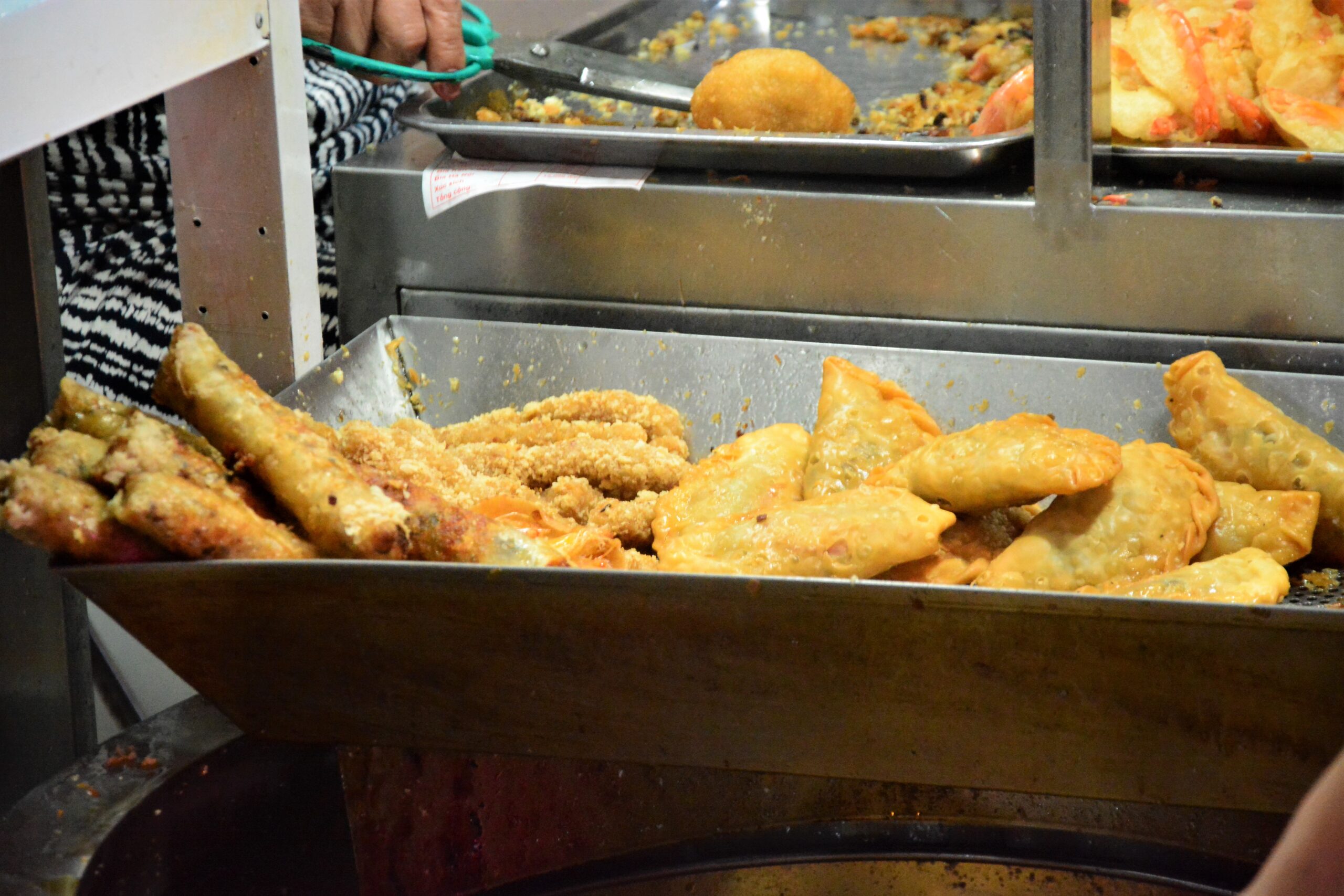
Street food is not simply “cheap food for tourists.” It is an important part of ordinary Vietnamese eating culture.
Small stools, narrow shopfronts, charcoal grills, steaming noodle pots and vendors working directly in front of customers are normal parts of city life.
This is why a sidewalk restaurant can be culturally significant even when the food costs very little.
Vietnamese Food and Time of Day
Different dishes are associated with different moments of the day.
Morning: phở, bánh cuốn, xôi, cháo, bánh mì.
Lunch: bún chả, rice dishes, noodles.
Afternoon: coffee, chè and snacks.
Evening: shared meals, grilled food, seafood, hot pot and street food.
Following local meal times can help travelers experience dishes in the setting where they traditionally belong.
Vietnamese Food and Seasonality
Vietnam’s regional climate creates an enormous variety of seasonal produce.
Fruit changes according to the season, while vegetable markets reflect agricultural cycles.
Regional dishes also respond to weather. Refreshing sour soups and tropical fruits can be particularly appealing during hot Southern days, while hot noodle soups and grilled foods are popular throughout cooler periods.
Eating seasonally can reveal flavors that are difficult to reproduce outside Vietnam.
Fermented Foods in Vietnamese Cuisine
Fermentation plays an important role in Vietnamese cooking.
Fish sauce, shrimp paste, fermented vegetables and other fermented ingredients add depth to food.
These flavors can be strong for first-time visitors, but they are central to the cuisine.
Rather than avoiding them immediately, try small amounts and learn how they are traditionally balanced with herbs, sugar, acidity and fresh ingredients.
Vietnamese Food and Textures
Vietnamese cuisine pays considerable attention to texture.
A single meal may combine:
Crispy fried tofu.
Soft rice noodles.
Crunchy pickled vegetables.
Fresh herbs.
Tender grilled meat.
Chewy rice cakes.
This contrast is one reason Vietnamese meals remain interesting even when the ingredients themselves are simple.
The Role of Color
Vietnamese cooks also value visual balance.
Fresh herbs create green tones, carrots and peppers bring orange and red, noodles provide white, grilled meats add brown and caramelized colors, while fresh fruit contributes natural brightness.
The result is food that is visually appealing without requiring elaborate plating.
Food and Religion
Buddhist traditions have influenced Vietnamese eating habits in various ways, particularly around vegetarian food.
On certain religious occasions or days, some people choose vegetarian meals known as cơm chay.
Vegetarian restaurants are now common in major cities, offering dishes inspired by traditional Vietnamese food while replacing meat and seafood with tofu, mushrooms, vegetables and plant-based ingredients.
Vegetarian Vietnamese Cuisine
Vegetarian food should not be treated as a separate cuisine with no connection to traditional Vietnamese cooking.
Many vegetarian dishes preserve the same principles: rice, herbs, vegetables, dipping sauces, balance and contrasting textures.
Hue is particularly interesting for travelers curious about Buddhist vegetarian food traditions.
Food and Regional Identity
Vietnamese people can often identify a dish with a city or province.
Phở → Hanoi.
Bún chả → Hanoi.
Bún bò Huế → Hue.
Cao lầu → Hoi An.
Mì Quảng → Quang Nam / Da Nang.
Cơm tấm → Ho Chi Minh City and Southern Vietnam.
This strong geographic identity is one of the most enjoyable parts of traveling through the country.
Food and Local Pride
People are often proud of the food from their hometown.
A Hanoian may argue passionately about what makes proper bún chả. Someone from Hue may insist that bún bò should be tasted in Hue. Someone from Hoi An may tell you that authentic cao lầu belongs in the Ancient Town.
These debates are part of the fun.
Vietnamese food culture is not static. It is alive and often discussed by the people who cook and eat it.
How Families Teach Food Traditions
Food knowledge is frequently passed from one generation to the next.
Children watch parents and grandparents prepare dishes, learn how to season food and gradually develop their own understanding of ingredients.
This is particularly important for holiday dishes such as bánh chưng, pickles and family-specific recipes.
Some recipes are not written down at all. They are remembered through practice.
Why Vietnamese Recipes Vary Between Families
Even when two families cook the same dish, the recipe may differ.
One family may use more fish sauce. Another may prefer extra herbs. One may make a sweeter dipping sauce, another a more sour version.
This is not necessarily inconsistency. It is a normal feature of a cuisine based on household traditions.
Food and Community
Vietnamese food culture extends beyond immediate family.
Neighborhoods develop their own favorite vendors. Friends meet for food. Colleagues share lunch. Markets create relationships between sellers and regular customers.
Over time, a small noodle shop can become part of the identity of an entire street.
Food and Modern Vietnam
Vietnamese cuisine is changing rapidly.
Traditional recipes continue to be served in family homes and street stalls, while younger chefs are experimenting with modern presentation, specialty coffee, contemporary desserts and new interpretations of traditional dishes.
This does not necessarily mean abandoning tradition.
In many cases, modern Vietnamese food is a conversation between old recipes and new techniques.
Traditional Food vs Modern Vietnamese Dining
Travelers sometimes assume they must choose between street food and expensive restaurants.
There is no need.
Eat phở at a traditional neighborhood shop in the morning, try modern Vietnamese cuisine for dinner, then return to a sidewalk café for coffee.
The contrast helps you understand how Vietnamese food culture is evolving while keeping its roots.
How Travelers Can Respect Vietnamese Food Culture
The easiest approach is simple: observe, ask and participate respectfully.
Try dishes in the way they are traditionally served. Don’t assume unfamiliar foods are strange simply because they look different. Ask before taking close-up photographs of vendors or family meals. Follow temple and religious-site rules when food is involved.
And when someone invites you to eat, understand that the invitation may carry emotional meaning beyond the food itself.
What First-Time Visitors Should Learn About Vietnamese Meals
You don’t need to memorize hundreds of Vietnamese dishes.
Start by understanding a few principles:
Rice is fundamental.
Fresh herbs matter.
Meals are often shared.
Regional flavors vary.
Dipping sauces are part of the dish.
Coffee is cultural as well as culinary.
Food is closely connected with family and hospitality.
Once you understand these ideas, Vietnamese menus become much easier to navigate.
Best Places to Experience Vietnamese Food Culture
For Northern Vietnamese traditions, choose Hanoi.
For Central cuisine and imperial food culture, choose Hue.
For Hoi An’s distinctive local dishes, choose Hoi An.
For Southern Vietnamese food and modern dining, choose Ho Chi Minh City.
For a deeper connection between food and agriculture, visit the Mekong Delta or rural areas around Hanoi and Central Vietnam.
Hanoi Food Tours Led by Women
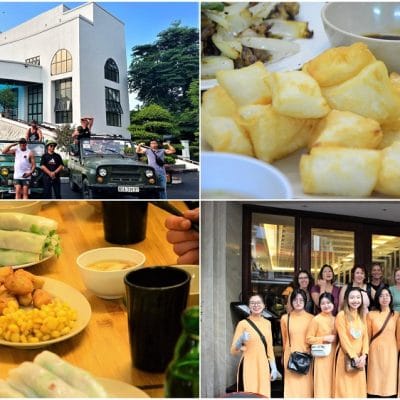
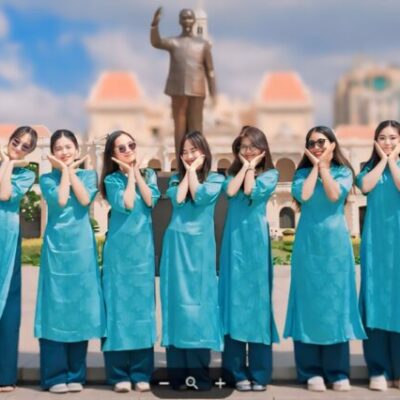
A Hanoi Food Tour Led by Women can be a practical way to experience many of these traditions in a short period. Rather than simply visiting restaurants, a local female guide can explain why Hanoi eats certain foods in the morning, how family-style dining works, why herbs and sauces are important and where traditional dishes fit into everyday life.
A food experience can be combined with Old Quarter walks, local markets, coffee stops and motorbike sightseeing.
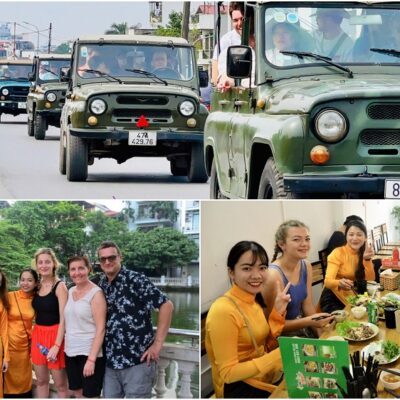
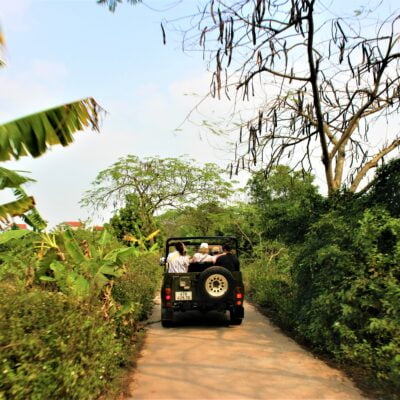
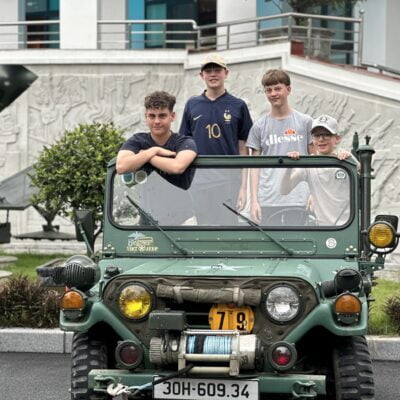
Motorbike City Tours currently presents Hanoi food and sightseeing experiences led by women, including motorbike and Jeep formats.
Vietnamese Food Culture on a Motorbike
A Hanoi food tour by motorbike can show the relationship between food and geography in a very practical way. Instead of sitting in one restaurant, travelers can move through several neighborhoods, see different food businesses, stop for local dishes and observe how the streets change.
Traveling with a local guide also makes it easier to understand unfamiliar ingredients and food customs.
Food Culture for Couples and Families
Food is especially valuable for couples and families because it creates shared memories.
A couple can explore Hanoi’s Old Quarter, stop for egg coffee and share several street-food dishes. A family can introduce children to phở, bánh mì and Vietnamese desserts before moving into more adventurous regional foods.
Private food experiences also allow the pace and food choices to be adapted to the group.
A One-Day Introduction to Vietnamese Food Culture
Start with phở for breakfast, then visit a local market to see ingredients before they become finished dishes. Have bún chả for lunch and take time for Vietnamese coffee in the afternoon.
In the evening, join a food tour and sample several small dishes, ending with chè or egg coffee.
This simple itinerary covers breakfast culture, street food, markets, coffee, shared meals and evening dining in one day.
Final Thoughts
Vietnam food culture is much bigger than a list of famous dishes. It is a system of traditions built around rice, fresh ingredients, regional agriculture, family meals, hospitality, shared dishes, ancestral respect, festivals and local pride.
Northern Vietnam teaches you about balance through phở, bún chả and bánh cuốn. Central Vietnam reveals stronger flavors and the culinary heritage of Hue and Hoi An. Southern Vietnam brings sweeter flavors, coconut, tropical fruit and dishes such as cơm tấm and hủ tiếu.
But the most important lesson is that Vietnamese food is about people. A meal can be an invitation, a family ritual, a memory of home, an offering to ancestors or simply a reason to sit together at the end of a long day.
When you visit Vietnam, don’t just ask what dish to order.
Ask who prepared it, where it comes from, when people eat it and why it matters.
That is when Vietnamese cuisine begins to tell its full story.
Discover Vietnam Through Food With Motorbike City Tours – Led by Women
For travelers who want to experience Vietnamese food culture directly in Hanoi, Motorbike City Tours offers a way to combine local food with street-level sightseeing. A women-led experience can introduce travelers to traditional dishes, neighborhood eateries, markets, Vietnamese coffee and the everyday streets where food culture is part of daily life.
The experience can be suitable for couples, families, solo travelers and private groups, with the focus on understanding the city through its food rather than simply checking dishes off a menu. Motorbike City Tours’ current website presents women-led food, motorbike and Jeep experiences in Hanoi.
Contact Motorbike City Tours
MOTORBIKE CITY TOURS
Address: 91 Tho Nhuom Street, Hoan Kiem District, Hanoi, Vietnam
Phone / WhatsApp 24/7: +84 988 402 008
Email: info@motorbikecitytours.com
Website: motorbikecitytours.com
Hanoi Food Tours Led By Women
Hanoi Motorbike Tours Led By Women
Hanoi Vespa Tours Led By Women
Hanoi Jeep Tours Led By Women
Hanoi Bicycle Tours Led By Women
Private & Small-Group Experiences
The contact details above are taken from the current Motorbike City Tours website.
Taste Vietnam beyond the famous dishes—meet the people, understand the traditions and experience how food connects every part of Vietnamese life.