Hanoi vs Ho Chi Minh City Food: Which City Has Better Cuisine?
One of the most enjoyable debates for travelers in Vietnam is Hanoi vs Ho Chi Minh City food. Both cities have extraordinary culinary traditions, but they offer very different experiences. Hanoi is known for Northern Vietnamese dishes with relatively balanced, restrained flavors, clear broths, fresh herbs and recipes closely connected with the city’s history. Ho Chi Minh City, meanwhile, is the energetic center of Southern Vietnamese food, where sweeter flavors, tropical ingredients, coconut, seafood and culinary influences from many communities create an enormous range of choices.
So which city has better cuisine? There is no objective winner. Hanoi is usually better for travelers who love traditional Northern Vietnamese food, classic noodle dishes and historic street-food culture. Ho Chi Minh City is often better for travelers who want greater variety, Southern flavors, tropical ingredients, modern cafés and an enormous street-food scene. Vietnam’s official culinary information similarly describes Northern food as more restrained, Central food as bolder and Southern cuisine as generally sweeter and more tropical.
The best answer is therefore simple: visit both. But understanding the differences can help you decide where to spend more time and what to order in each city.
Hanoi vs Ho Chi Minh City Food at a Glance
| Category | Hanoi | Ho Chi Minh City |
|---|---|---|
| Culinary region | Northern Vietnam | Southern Vietnam |
| Overall style | Balanced, subtle, broth-focused | Sweeter, richer, tropical |
| Famous dish | Phở, bún chả | Cơm tấm, hủ tiếu |
| Street food | Extremely strong | Extremely diverse |
| Noodle culture | Excellent | Excellent |
| Coffee | Egg coffee, phin coffee | Cà phê sữa đá, modern cafés |
| Herbs | Important | Important |
| Sweetness | Generally more restrained | Often more pronounced |
| Coconut | Less central | Much more common |
| Best for history | Hanoi | Ho Chi Minh City also has strong food history |
| Best for variety | Excellent | Excellent |
| Best for first-time Vietnam food trip | Hanoi | Ho Chi Minh City |
| Best choice for traditional Northern food | Hanoi | — |
| Best choice for Southern food | — | Ho Chi Minh City |
What Makes Hanoi Food Different?
Hanoi is the heart of Northern Vietnamese cuisine. The city’s food tradition places strong emphasis on balance, broth, fresh herbs and carefully controlled seasoning. It is not generally dominated by large amounts of sugar or chili.
This does not mean Hanoi food is bland. A good bowl of phở can have considerable depth. The difference is that the flavor often comes from slow-cooked broth, grilled meat, herbs, fermented ingredients and careful seasoning rather than heavy sauces.
Hanoi is also a city where individual dishes can be deeply connected to particular streets or neighborhoods. That makes exploring food here feel historical as well as culinary.
What Makes Ho Chi Minh City Food Different?
Ho Chi Minh City represents Southern Vietnamese cuisine, but because it is one of Vietnam’s largest and most cosmopolitan cities, its food scene goes far beyond traditional Southern recipes.
Southern cooking often uses more sugar, coconut, tropical fruit, freshwater fish and a broader range of vegetables. Ho Chi Minh City’s huge population and long history of migration have also created an exceptionally diverse dining scene.
You can eat a traditional bowl of hủ tiếu in the morning, have cơm tấm for lunch, drink Vietnamese specialty coffee in the afternoon and explore a completely different street-food neighborhood at night.
1. Phở: Hanoi vs Ho Chi Minh City
Phở is the clearest dish to compare between the two cities.
Hanoi-style phở generally has a cleaner, more restrained broth and fewer garnishes. The broth itself is the star. Beef or chicken, rice noodles and carefully prepared stock are combined into a relatively simple bowl.
In Ho Chi Minh City, phở often comes with a wider range of herbs, bean sprouts, sauces and additional accompaniments, and the broth may taste somewhat sweeter.
Neither style is automatically better.
If you want to understand the classic Northern expression of phở, choose Hanoi. If you enjoy more herbs, condiments and a sweeter profile, Ho Chi Minh City may appeal more.
Winner for traditional phở: Hanoi.
2. Bún Chả: Hanoi’s Advantage
This is one category where Hanoi has a very clear advantage.
Bún chả is strongly associated with Hanoi. Charcoal-grilled pork patties and slices of pork belly are served with rice vermicelli, herbs and a sweet-sour fish-sauce-based dipping broth.
The combination of smoky meat, fresh herbs and noodles is one of the defining flavors of Hanoi.
You can find versions elsewhere, but if bún chả is one of your priorities, eat it in Hanoi.
Winner: Hanoi.
3. Cơm Tấm: Ho Chi Minh City’s Strength
When you travel south, cơm tấm becomes one of the dishes to prioritize.
Broken rice is commonly served with grilled pork, egg, shredded pork skin, vegetables and fish sauce. The meal is filling, smoky, slightly sweet and extremely representative of Southern food culture.
Hanoi has many rice dishes, but cơm tấm is not part of its culinary identity in the same way.
Winner: Ho Chi Minh City.
4. Bánh Cuốn
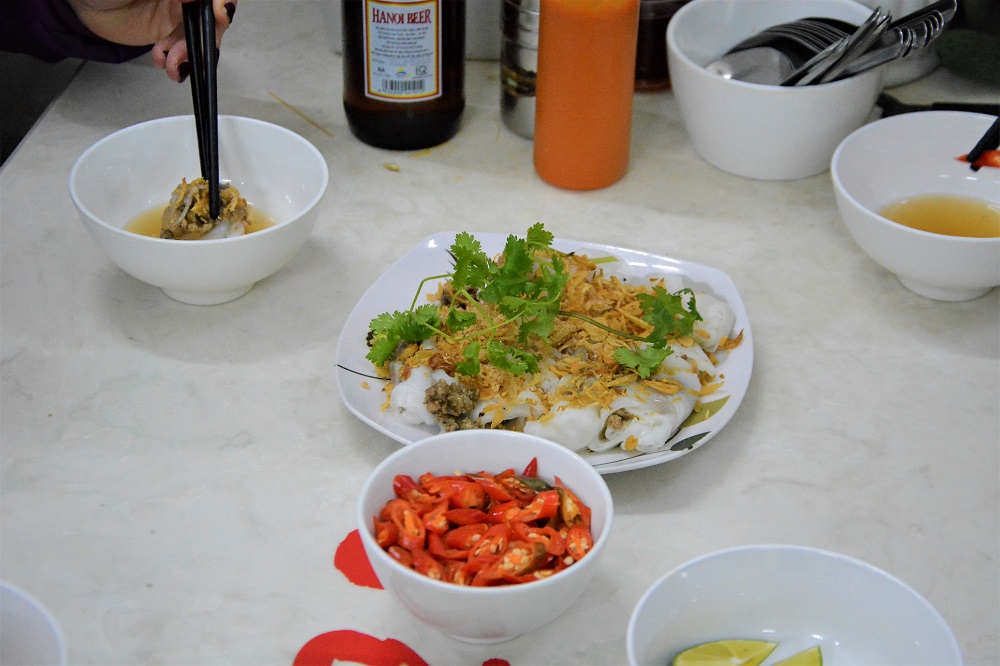
Bánh cuốn is a classic Northern dish. Thin steamed rice sheets are filled with minced pork and wood-ear mushroom and served with herbs, fried shallots and dipping sauce.
Hanoi is particularly famous for bánh cuốn and is the better destination if you want to understand the traditional Northern preparation.
Winner: Hanoi.
5. Bánh Mì
This is much harder to decide.
Bánh mì exists throughout Vietnam, and both Hanoi and Ho Chi Minh City have excellent versions. The bread, fillings, sauces and preparation can vary significantly from one shop to another.
Ho Chi Minh City has an enormous bánh mì culture, with countless neighborhood vendors. Hanoi tends to offer a slightly different Northern character and fillings.
For pure variety, give the advantage to Ho Chi Minh City.
Winner for variety: Ho Chi Minh City.
6. Chả Cá
Chả cá is another major Hanoi advantage.
Fish is marinated and cooked with dill and spring onions, often finishing in a sizzling pan. It is served with noodles, herbs, peanuts and additional seasonings.
Dill plays a particularly important role in this dish, giving it a flavor very closely connected with Hanoi.
Winner: Hanoi.
7. Bún Đậu Mắm Tôm
Bún đậu mắm tôm is another Northern specialty. It combines rice noodles, fried tofu, herbs and fermented shrimp paste, with other ingredients depending on the restaurant.
Hanoi is the better place to experience the traditional version.
Travelers who dislike strong fermented flavors should approach the dish carefully, but adventurous eaters should absolutely try it.
Winner: Hanoi.
8. Hủ Tiếu
Hủ tiếu belongs to Southern Vietnamese food culture and is particularly important in Ho Chi Minh City and the Mekong Delta.
It can be prepared as soup or dry noodles, with pork, seafood, shrimp and other toppings.
The variety of styles makes Ho Chi Minh City a better destination for travelers who enjoy comparing different versions of the same basic dish.
Winner: Ho Chi Minh City.
9. Bánh Xèo
Both cities can offer bánh xèo, but the Southern version is especially important.
Southern bánh xèo tends to be larger and crispier, commonly filled with shrimp, pork and bean sprouts and eaten with lettuce, herbs and dipping sauce.
If you want to experience bánh xèo in its Southern culinary context, choose Ho Chi Minh City.
Winner: Ho Chi Minh City.
10. Chả Giò vs Nem Rán
Northern Vietnam commonly uses the term nem rán, while chả giò is widely used in Southern Vietnam.
The basic concept is similar—crispy fried rolls with a savory filling—but recipes and dipping sauces can vary.
The best option is not to choose one. Try both and compare.
Winner: Draw.
11. Bún Ốc
Bún ốc, a rice-vermicelli dish with freshwater snails, is strongly associated with Hanoi.
The broth often combines tomato and sour elements and produces a completely different flavor from phở.
This is another case where Hanoi offers a stronger local identity.
Winner: Hanoi.
12. Bún Thang
Bún thang is a refined Hanoi specialty featuring rice vermicelli, shredded chicken, Vietnamese ham, thin omelet and a delicate broth.
It represents the detailed, balanced side of Northern cooking and is much less strongly associated with Southern Vietnam.
Winner: Hanoi.
13. Bún Bò Huế
Neither Hanoi nor Ho Chi Minh City has the strongest claim here.
Bún bò Huế belongs to Central Vietnam and is best experienced in Hue. Both Hanoi and Ho Chi Minh City have versions, but neither replaces eating it in its home region.
This is an important reminder when comparing Vietnamese food: sometimes the best place for a dish is somewhere else entirely.
Winner: Hue.
14. Vietnamese Coffee: Hanoi vs Ho Chi Minh City
Coffee is another fascinating comparison.
Hanoi is especially famous for egg coffee, traditional phin coffee and hidden cafés in old buildings and narrow streets. The city’s coffee culture has a strong historical character.
Ho Chi Minh City has a massive café culture, with traditional cà phê sữa đá sitting alongside specialty coffee, modern cafés, rooftop spaces and contemporary coffee concepts.
For traditional atmosphere and egg coffee, choose Hanoi.
For variety and modern coffee culture, choose Ho Chi Minh City.
Winner: Draw, depending on your taste.
15. Egg Coffee
This one clearly belongs to Hanoi.
Cà phê trứng combines strong Vietnamese coffee with a creamy mixture made using egg yolk and sugar. It is rich enough to function as both drink and dessert.
The drink is strongly connected with Hanoi’s historic café culture.
Winner: Hanoi.
16. Coconut Coffee
Coconut coffee is much more representative of the broader modern Vietnamese café scene than of one city.
You can find excellent versions in both Hanoi and Ho Chi Minh City. Some are thick and almost dessert-like, while others use lighter coconut milk.
For modern café experimentation, Ho Chi Minh City may have a slight advantage simply because of the sheer number of contemporary cafés.
Winner: Ho Chi Minh City, narrowly.
17. Street Food: Which City Has More Variety?
This is one of the strongest arguments for Ho Chi Minh City.
The city is enormous, densely populated and home to people from many regions of Vietnam. As a result, you can find Northern, Central and Southern dishes, as well as Chinese-influenced, Cambodian-influenced and modern Vietnamese food.
Hanoi has extraordinary street food, but its strengths are more concentrated around Northern traditions.
Winner for overall variety: Ho Chi Minh City.
18. Traditional Vietnamese Cuisine
If your definition of “better food” means traditional dishes with strong historical connections to one region, Hanoi has a powerful advantage.
The city is associated with some of Vietnam’s most recognizable Northern foods: phở, bún chả, bánh cuốn, chả cá, bún đậu and bún thang.
Winner: Hanoi.
19. Modern Vietnamese Food
Ho Chi Minh City is generally stronger for contemporary interpretations of Vietnamese cuisine.
You will find specialty coffee, modern dessert cafés, creative fusion restaurants and restaurants reinterpreting traditional dishes.
Hanoi also has a strong modern dining scene, but it often feels more closely connected to its traditional culinary identity.
Winner: Ho Chi Minh City.
20. Food for Adventurous Travelers
Both cities offer adventurous eating, but in different ways.
In Hanoi, look for bún ốc, miến lươn, bún đậu mắm tôm and traditional neighborhood specialties.
In Ho Chi Minh City, explore freshwater fish, fermented foods, Southern soups, unusual tropical fruit and dishes influenced by the city’s diverse communities.
Winner: Draw.
21. Food for Families
Families may find Ho Chi Minh City slightly easier for variety because you can quickly find familiar options alongside local dishes.
However, Hanoi’s classic foods are also very family-friendly. Phở, bánh mì, grilled meat, rice dishes and desserts are easy starting points for children.
For families, the winner is mostly determined by the group’s preferences rather than geography.
Winner: Draw.
22. Food for Couples
Hanoi has a particularly romantic food atmosphere for couples. Walking around the Old Quarter, stopping for egg coffee, sharing small street-food dishes and visiting Hoan Kiem Lake after dinner creates a compact evening experience.
Ho Chi Minh City offers more variety in modern restaurants, rooftop cafés and nightlife.
Winner for traditional romantic atmosphere: Hanoi.
Winner for modern dining and nightlife: Ho Chi Minh City.
23. Food for Solo Travelers
Both cities are excellent for solo food travelers because individual portions are common.
Hanoi is especially convenient for exploring a concentrated Old Quarter food scene on foot.
Ho Chi Minh City offers more neighborhoods to explore, making it more exciting for travelers who have several days and want variety.
Winner for easy first-time solo food exploration: Hanoi.
Winner for broader exploration: Ho Chi Minh City.
24. Best City for a Food Walking Tour
Hanoi has the advantage here because the Old Quarter packs an enormous amount of food into a relatively compact area.
You can walk from Hoan Kiem Lake through several streets, eat bún chả, try bánh cuốn, stop for egg coffee and continue to a dessert without needing transportation between every stop.
Winner: Hanoi.
25. Best City for a Food Motorbike Tour
Ho Chi Minh City has enormous geographical variety, but Hanoi is particularly well suited to a motorbike food tour if you want to combine concentrated Old Quarter food with quieter neighborhoods, lakes and surrounding areas.
The choice depends on what you want to see between food stops.
For first-time visitors, Hanoi offers a particularly good combination of street food + sightseeing + local neighborhoods.
26. Best City for Night Food
Ho Chi Minh City has an enormous nighttime food culture, but Hanoi is exceptionally atmospheric after dark.
Hanoi’s Old Quarter, Ta Hien area and Hoan Kiem surroundings make it easy to combine food, walking and nightlife. Ho Chi Minh City has a greater number of districts and styles to explore.
Winner for compact nighttime food experience: Hanoi.
Winner for sheer variety: Ho Chi Minh City.
27. Best City for Traditional Breakfast
Hanoi is hard to beat for breakfast.
Wake up early and choose phở, bánh cuốn, xôi, bún ốc or bún thang, then sit down for traditional Vietnamese coffee.
The city’s morning food culture feels deeply connected to local neighborhood life.
Winner: Hanoi.
28. Best City for Southern Food
This one is obvious.
If your goal is to understand Southern Vietnamese cuisine, Ho Chi Minh City is the better base. You can explore cơm tấm, hủ tiếu, bánh xèo, chả giò, canh chua and many Southern rice and noodle dishes.
Winner: Ho Chi Minh City.
29. Best City for Northern Food
Again, the answer is clear.
Hanoi is the place to experience Northern Vietnamese cuisine in its strongest and most recognizable form.
If your favorite dishes include phở, bún chả, bánh cuốn and chả cá, spend more time in Hanoi.
Winner: Hanoi.
30. Best City for Food Variety
If we are measuring only the number of different cuisines and styles available, Ho Chi Minh City wins.
You can eat dishes from Northern, Central and Southern Vietnam without leaving the city. Add modern cafés, international restaurants and regional immigrant communities, and the choices become enormous.
Winner: Ho Chi Minh City.
Hanoi Food vs Ho Chi Minh City Food: Which Is Healthier?
Neither city can honestly be called universally healthier.
Both offer plenty of fresh herbs, vegetables, rice, noodles, seafood and lean proteins, but both also have fried foods, sweet drinks and rich dishes.
The healthiest experience depends more on what you choose than which city you visit.
Choose fresh spring rolls, vegetable-heavy dishes, broth-based noodles and fruit more often, and balance them with grilled or fried specialties.
Which City Has Better Street Food?
This depends on what you mean by “better.”
Hanoi wins for iconic traditional Northern street food.
Ho Chi Minh City wins for overall diversity and Southern street food.
If someone gave you only three days and asked for the most classic introduction to Vietnamese food, Hanoi would be difficult to beat.
If someone gave you a week and wanted to explore as many styles as possible, Ho Chi Minh City would become increasingly attractive.
Which City Is Better for First-Time Visitors?
For someone who has never tried Vietnamese food before, Hanoi is arguably the better starting point because several internationally famous Vietnamese dishes have particularly strong connections with the city.
You can learn the basics through phở, bún chả, bánh cuốn, bánh mì, chả cá and Vietnamese coffee.
Then, when you reach Ho Chi Minh City, you can immediately notice how the flavors and ingredients change.
Which City Should Food Lovers Stay Longer?
A practical approach is:
Hanoi: 3–4 days for Old Quarter food, breakfast culture, traditional specialties, coffee and a motorbike or walking food experience.
Ho Chi Minh City: 3–4 days for Southern food, markets, cafés, modern dining and broader street-food exploration.
With more time, add Hue and Hoi An rather than spending the entire trip comparing just two cities. Central Vietnam contributes an entirely different culinary tradition.
A Perfect Hanoi Food Day
Start around 7:00 AM with phở. Walk through Hoan Kiem Lake and the Old Quarter. Around 10:00 AM, have traditional Vietnamese coffee. Eat bún chả for lunch, take a rest and explore more neighborhoods in the afternoon.
At around 6:00 PM, begin an evening food tour with bánh cuốn, phở cuốn or chả cá, then finish with egg coffee or chè.
A Perfect Ho Chi Minh City Food Day
Start with cơm tấm or hủ tiếu. Explore a local market and try Vietnamese iced coffee. Have bánh xèo or another Southern specialty for lunch.
In the afternoon, explore modern cafés and local snack shops. After sunset, go for street food, grilled seafood or Southern noodles and finish with a tropical dessert.
Hanoi vs Ho Chi Minh City Food Budget
Both cities can be traveled on a relatively modest food budget, but prices vary according to neighborhood and dining style.
Street food and neighborhood restaurants are generally much cheaper than hotel restaurants or international dining.
Ho Chi Minh City offers enormous budget variety, while Hanoi’s Old Quarter allows visitors to try many dishes without traveling far.
The best way to save money is not to avoid local food. It is to eat where local residents eat.
Hanoi vs Ho Chi Minh City Food for Vegetarians
Both cities have an increasing number of vegetarian and vegan restaurants.
Hanoi offers traditional Buddhist and vegetarian options, while Ho Chi Minh City has a particularly broad modern plant-based scene.
In both cities, clearly explain dietary requirements because fish sauce, shrimp paste and animal broth can appear in dishes where they are not visually obvious.
Hanoi vs Ho Chi Minh City Food Tours
A guided food tour can help visitors understand the differences between the two cities much faster.
In Hanoi, focus on traditional Northern dishes, Old Quarter streets, breakfast culture, egg coffee and food neighborhoods.
In Ho Chi Minh City, focus on Southern specialties, markets, modern cafés, street food and dishes influenced by the city’s multicultural history.
The important thing is to choose a tour based on the cuisine and neighborhoods you want to understand, not simply the number of dishes included.
Hanoi Food Tours Led by Women
A Hanoi Food Tour Led by Women is a particularly good introduction to Northern Vietnamese cuisine. Local women guides can explain how dishes such as phở, bún chả, bánh cuốn and chả cá fit into everyday Hanoi life.
A motorbike format also makes it possible to combine several neighborhoods and food stops in one evening instead of staying inside the Old Quarter.
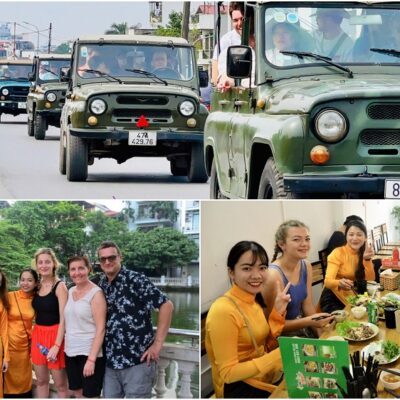
Motorbike City Tours currently presents Hanoi food and sightseeing experiences led by women, including motorbike, scooter and Jeep formats.
Hanoi vs Ho Chi Minh City: Final Score
| Category | Winner |
|---|---|
| Traditional Northern cuisine | Hanoi |
| Southern cuisine | Ho Chi Minh City |
| Phở | Hanoi |
| Bún chả | Hanoi |
| Cơm tấm | Ho Chi Minh City |
| Hủ tiếu | Ho Chi Minh City |
| Chả cá | Hanoi |
| Egg coffee | Hanoi |
| Modern café culture | Ho Chi Minh City |
| Street-food variety | Ho Chi Minh City |
| Old Quarter food walking | Hanoi |
| Breakfast culture | Hanoi |
| Food for first-time visitors | Hanoi |
| Regional variety within one city | Ho Chi Minh City |
| Traditional food atmosphere | Hanoi |
| Modern dining | Ho Chi Minh City |
| Overall | Draw |
So, Which City Has Better Cuisine?
The honest answer is that Hanoi is better for Northern Vietnamese cuisine, while Ho Chi Minh City is better for Southern Vietnamese cuisine and overall culinary variety.
Choose Hanoi when your priorities are phở, bún chả, bánh cuốn, chả cá, bún đậu, traditional breakfast and historic street-food culture.
Choose Ho Chi Minh City when you want cơm tấm, hủ tiếu, bánh xèo, Southern desserts, tropical ingredients, modern cafés and a huge variety of cuisines.
But there is a more important point: Vietnamese cuisine should not be judged as one single food culture. Northern, Central and Southern cooking each have their own identity. Comparing Hanoi with Ho Chi Minh City is interesting precisely because they are different.
Final Thoughts
So, Hanoi vs Ho Chi Minh City food: which city has better cuisine?
For traditional Vietnamese food with a strong historical identity, Hanoi has the edge. It is difficult to beat the combination of phở, bún chả, bánh cuốn, chả cá, bún đậu and egg coffee.
For sheer variety, Southern specialties and modern culinary experimentation, Ho Chi Minh City wins. Cơm tấm, hủ tiếu, bánh xèo, chả giò, tropical desserts and a huge café scene make the city an exciting destination for food lovers.
The best answer for serious food travelers is to visit both.
Eat phở and bún chả in Hanoi. Fly south and try cơm tấm and hủ tiếu in Ho Chi Minh City. Then continue to Hue and Hoi An to complete the picture.
Only after tasting all three regions can you really understand Vietnamese cuisine.
Discover Hanoi Food With Motorbike City Tours – Led by Women
For travelers who want to experience Hanoi’s Northern cuisine beyond the standard restaurant menu, a women-led food tour can combine local dishes with neighborhood sightseeing. You can try phở, bún chả, bánh cuốn, chả cá, phở cuốn and Vietnamese coffee while moving through the Old Quarter and other parts of Hanoi.
A Hanoi Food Tour Led by Women is suitable for couples, families, solo travelers and private groups. A motorbike experience is particularly useful when you want to cover several food areas in one outing and see the city between stops.
Contact Motorbike City Tours
MOTORBIKE CITY TOURS
Address: 91 Tho Nhuom Street, Hoan Kiem District, Hanoi, Vietnam
Phone / WhatsApp 24/7: +84 988 402 008
Email: info@motorbikecitytours.com
Website: motorbikecitytours.com
Hanoi Food Tours Led By Women
Hanoi Motorbike Tours Led By Women
Hanoi Vespa Tours Led By Women
Hanoi Jeep Tours Led By Women
Hanoi Bicycle Tours Led By Women
Private & Small-Group Experiences
The contact information above is taken from the official Motorbike City Tours website.
Discover Hanoi’s food from the street up—taste traditional Northern dishes, explore hidden food neighborhoods and experience Vietnamese cuisine with local women leading the way.