Regional Vietnamese Food: How Cuisine Changes From North to South
Vietnamese cuisine is often described as one national cuisine, but that description hides one of its most interesting characteristics: regional diversity. A bowl of phở in Hanoi can taste noticeably different from phở in Ho Chi Minh City. Bún bò Huế is unlike Northern noodle soups, while Hoi An’s cao lầu has a texture and preparation that is difficult to confuse with any other Vietnamese dish. As you travel from the mountains and Red River Delta in the North through Central Vietnam and into the tropical South, ingredients, seasoning, cooking methods and even meal habits change. Official culinary guidance highlights this broad pattern: Northern food tends to be more restrained and balanced, Central cuisine is typically more intense and often spicier, while Southern dishes frequently lean sweeter and make generous use of tropical ingredients.
Understanding these regional differences can completely change the way you travel and eat in Vietnam. Instead of ordering the same dishes everywhere, you can choose foods that are closely connected to each destination. Eat phở and bún chả in Hanoi, bún bò Huế in Hue, cao lầu and mì Quảng in Central Vietnam, then cơm tấm and hủ tiếu in the South. The food itself becomes a way to understand Vietnam’s geography, climate, history and local culture.
What Makes Vietnamese Cuisine Different From North to South?
Several elements remain consistent across Vietnam. Rice is fundamental, fresh herbs are used extensively, fish sauce appears in many meals, and cooks pay close attention to the balance of salty, sweet, sour, bitter, spicy and savory flavors. However, local ingredients and historical influences create significant regional variation.
The North generally emphasizes subtle seasoning, clear broths and the natural taste of the main ingredients. Central Vietnam often produces stronger, more concentrated and spicier flavors, partly reflecting the region’s climate and the culinary heritage of Hue. Southern Vietnam benefits from tropical agriculture, abundant waterways and coconut production, resulting in food that often tastes sweeter and uses more fruit, coconut and freshwater or coastal ingredients.
These are broad tendencies rather than strict rules. You will find sweet dishes in Hanoi, spicy dishes in the North and subtle dishes in the South. But once you travel through the country, the overall differences are easy to notice.
Northern Vietnamese Food: Subtle, Balanced and Traditional
Northern Vietnamese cuisine is strongly associated with Hanoi, the Red River Delta and the wider northern region. Official culinary descriptions commonly characterize Northern food as relatively simple, balanced and restrained, with less dependence on strong sweetness or heavy chili.
The focus is often on the quality of the broth, meat, fish, herbs and individual ingredients. Rather than covering a dish in sauces or strong spices, Northern cooking frequently aims to preserve a clean flavor profile.
Hanoi is the best place to experience this style because many iconic Northern dishes originated or developed there.
1. Phở – The Northern Classic
Phở is the most famous example of Northern Vietnamese cuisine. Hanoi-style phở is known for a clear, aromatic broth, rice noodles and beef or chicken with relatively simple garnishes. The broth can be simmered for hours with bones, onions, ginger and spices, creating depth without becoming excessively heavy.
One of the easiest ways to understand the difference between Northern and Southern cooking is to compare phở in Hanoi with phở in Ho Chi Minh City. Northern versions often use fewer garnishes and less sweetness, while Southern versions commonly provide more herbs, bean sprouts and a sweeter flavor profile.
2. Bún Chả – Hanoi’s Signature Dish
Bún chả is another defining Northern dish. Charcoal-grilled pork patties and slices of pork belly are served with rice vermicelli, herbs and a warm fish-sauce-based dipping broth.
The dish demonstrates the Northern preference for balance. The smoky pork is rich, but it is offset by fresh herbs, noodles and a sweet-sour-salty dipping sauce.
Bún chả is particularly associated with Hanoi and is traditionally eaten around lunchtime.
3. Bánh Cuốn
Bánh cuốn consists of thin steamed rice sheets, usually filled with minced pork and wood-ear mushrooms and served with herbs and dipping sauce.
The dish is delicate rather than aggressively flavored. Watching the sheets being steamed and rolled fresh is part of the experience.
It is particularly popular as a breakfast or light meal in Northern Vietnam.
4. Chả Cá
Hanoi’s chả cá offers another perspective on Northern cooking. Fish is traditionally cooked with dill and spring onions and served with noodles, herbs and other accompaniments.
Dill is particularly interesting because it plays a much more prominent role here than in many other Vietnamese dishes.
5. Bún Thang
Bún thang is a refined Hanoi noodle dish that may include shredded chicken, Vietnamese pork sausage, thin omelet and delicate broth.
It is a good example of the detailed, carefully balanced style associated with traditional Northern cuisine.
6. Bún Ốc
Bún ốc, a rice-noodle dish featuring freshwater snails, is another Hanoi specialty. Tomato and sour flavors are often used in the broth, creating a refreshing contrast with the other ingredients.
For travelers who have already tried phở and bún chả, bún ốc is a useful next step into less internationally familiar Hanoi food.
Why Northern Food Uses Less Sugar and Chili
Northern cuisine developed around the agricultural environment of the Red River Delta and centuries of culinary traditions centered around balanced flavors. The official description of Hanoi cuisine emphasizes subtlety, restraint and a preference for black pepper and aromatic ingredients rather than heavy chili.
That does not mean Northern food is bland. A well-made bowl of phở can have considerable depth. The difference is that the flavor often comes from broth, herbs, grilled ingredients and carefully controlled seasoning rather than a large amount of chili or sugar.
Central Vietnamese Food: Bold, Spicy and Intensely Flavored
As you travel south from Hanoi into Central Vietnam, the food changes noticeably. Central cuisine is often bolder, spicier and more concentrated, and it places particular emphasis on complex seasonings and distinctive local specialties.
The history of Hue, the former imperial capital, has also influenced Central Vietnamese cuisine. Royal culinary traditions introduced careful preparation, presentation and a wide range of small dishes, while ordinary regional cooking developed around stronger flavors and ingredients suited to the local climate.
This combination gives Central Vietnam one of the country’s most distinctive food cultures.
7. Bún Bò Huế – Central Vietnam’s Iconic Noodle Soup
Bún bò Huế is perhaps the best-known Central Vietnamese dish. The broth is richly flavored with lemongrass, chili and other seasonings, and the dish can include beef, pork and herbs.
Compared with Northern phở, the difference is immediate. Bún bò Huế is generally more intense, aromatic and spicy.
Hue is the obvious destination for trying the dish because the food is deeply connected with the city’s culinary identity.
8. Mì Quảng
Mì Quảng is strongly associated with Quang Nam and Da Nang. Wide rice noodles are served with a relatively small amount of concentrated broth, meat or seafood, herbs, peanuts and crispy rice crackers.
This is important because it demonstrates that Vietnamese noodle dishes do not always need a large bowl of broth. Mì Quảng is more concentrated and textured.
9. Cao Lầu
Cao lầu is one of Hoi An’s defining dishes. It combines thick noodles, sliced pork, greens and crispy pieces, producing a unique mixture of textures.
The dish is so closely connected with Hoi An that eating it in the Ancient Town is an essential food experience for many visitors.
10. Bánh Bèo
Bánh bèo consists of small steamed rice cakes topped with ingredients such as shrimp, mung bean and crispy elements.
The small size makes it ideal for tasting alongside several other Central Vietnamese dishes.
11. Bánh Nậm
Bánh nậm is a thin rice cake traditionally wrapped in banana leaves and commonly filled with shrimp and pork.
It is soft, delicate and very different from the heavier noodle soups of the region.
12. Bánh Bột Lọc
Bánh bột lọc is a chewy tapioca dumpling often filled with shrimp and pork. It is especially associated with Central Vietnam and Hue.
The translucent wrapper and chewy texture make it easy to recognize after you have tried it once.
Why Central Vietnamese Food Is Often Spicier
The Central region has historically faced a more demanding climate, including periods of heat, heavy rain and typhoons, while the imperial tradition of Hue encouraged complex and carefully seasoned cooking. Official culinary descriptions characterize Central food as bold, spicy and strongly flavored.
Chili is used more assertively here than in much Northern cooking, although not every Central dish is spicy.
If you do not tolerate chili well, simply tell the restaurant or guide before ordering.
Southern Vietnamese Food: Sweeter, Tropical and Abundant
In Southern Vietnam, including Ho Chi Minh City and the Mekong Delta, the food becomes noticeably more tropical and often sweeter. The region has fertile farmland, extensive waterways, abundant fruit, coconut-growing areas and access to both freshwater and seafood.
Southern cuisine commonly uses coconut milk, sugar, tropical fruit, freshwater fish and a wide variety of vegetables. Official culinary guidance describes the South as more expressive in its use of sweetness and tropical ingredients.
The cuisine can also feel more generous and colorful, with large shared meals and a strong emphasis on freshness.
13. Cơm Tấm – Saigon’s Broken Rice
Cơm tấm, or broken rice, is one of the signature foods of Ho Chi Minh City. A classic plate can include grilled pork, steamed egg, shredded pork skin, pickles and vegetables with sweet-sour fish sauce.
What began as a humble food became one of the most recognizable Southern dishes.
The combination of grilled meat, rice and sweetened fish sauce demonstrates the Southern preference for more pronounced sweet-savory flavors.
14. Hủ Tiếu
Hủ tiếu is an important Southern noodle dish that can be prepared with pork, seafood, shrimp and other ingredients. It can appear as a soup or in a dry version with sauce and toppings.
The dish is particularly common in Ho Chi Minh City and the Mekong Delta.
15. Bánh Xèo
Bánh xèo is the famous Vietnamese sizzling pancake. The crispy yellow pancake is usually filled with shrimp, pork and bean sprouts, then wrapped in lettuce and herbs and dipped into sweet-sour fish sauce.
Southern versions are often larger and crispier than some Central versions.
16. Chả Giò
Chả giò, the Southern term commonly used for fried spring rolls, is another good example of regional differences. Fillings vary, but pork, shrimp, vegetables and glass noodles are common.
The Northern equivalent is often called nem rán, and recipes can differ even when the basic concept is similar.
17. Cá Kho Tộ
Cá kho tộ is fish braised slowly in a clay pot with fish sauce, sugar, pepper and aromatics.
The resulting sauce is rich, dark and concentrated. It is usually eaten with steamed rice and vegetables.
This is an excellent example of Southern home cooking, where sweet and savory flavors are carefully combined.
18. Canh Chua
Canh chua, or sweet-sour soup, is another Southern staple. Fish, pineapple, tomatoes, bean sprouts and herbs may be combined in the broth.
The refreshing sourness works particularly well in Southern Vietnam’s hot climate.
19. Tropical Fruits and Coconut
Southern cuisine makes abundant use of tropical produce. Mango, mangosteen, rambutan, dragon fruit, jackfruit, coconut and pomelo appear in markets, desserts, drinks and savory dishes.
The Mekong Delta is especially valuable for travelers who want to connect the landscape with the food on their plate.
Why Southern Vietnamese Food Is Often Sweeter
Southern Vietnam’s fertile tropical environment makes sugarcane, coconut, fruit and other sweet ingredients readily available. Over time, cooks developed a style that often uses more sugar and coconut milk than Northern cuisine.
Again, this is a broad regional tendency rather than a rule. Many Southern dishes are strongly sour, salty or spicy as well.
North vs Central vs South: The Main Differences
| Feature | Northern Vietnam | Central Vietnam | Southern Vietnam |
|---|---|---|---|
| Flavor | Balanced, subtle | Bold, spicy, concentrated | Sweeter, richer, tropical |
| Typical seasoning | Moderate chili and sugar | More chili and strong seasonings | More sugar and coconut |
| Iconic noodle | Phở | Bún bò Huế | Hủ tiếu |
| Famous dish | Bún chả | Mì Quảng / Cao lầu | Cơm tấm / Bánh xèo |
| Key environment | Red River Delta | Coast, mountains, dry climate | Mekong Delta, tropical lowlands |
| Notable city | Hanoi | Hue / Hoi An | Ho Chi Minh City |
| Best coffee style to try | Egg coffee | Salt coffee | Iced milk coffee |
How Phở Changes From North to South
Phở is one of the clearest examples of regional adaptation.
Northern phở is generally cleaner and more restrained, with fewer garnishes and a stronger focus on broth. Southern phở often tastes sweeter and is served with a larger variety of herbs, bean sprouts and additional condiments.
This means you can eat phở twice during the same Vietnam trip and have two noticeably different experiences.
Don’t decide which is “correct.” They reflect different regional traditions.
How Bánh Xèo Changes by Region
Central and Southern bánh xèo can differ in size, fillings, texture and the way they are served.
Southern bánh xèo is often large, thin and extremely crispy, filled with shrimp, pork and bean sprouts. Central versions can be smaller and more compact.
Trying both is one of the easiest ways to appreciate regional differences.
How Spring Rolls Change by Region
In Northern Vietnam, fried spring rolls are commonly known as nem rán. In Southern Vietnam, chả giò is the more familiar term.
Fillings and wrappers can vary, as can dipping sauces. The difference may seem small to a first-time visitor, but it becomes obvious after tasting several regional versions.
How Coffee Changes From North to South
Coffee culture also changes.
Hanoi is particularly famous for egg coffee and traditional cafés hidden in old buildings and narrow streets.
Hue is associated with salt coffee, a modern local specialty that combines strong coffee with a lightly salted creamy topping.
Ho Chi Minh City is known for energetic café culture and classic cà phê sữa đá, as well as modern specialty coffee.
The drinks reflect the character of their cities as much as the cuisine does.
Northern Food for First-Time Visitors
If your journey starts in Hanoi, prioritize:
Phở bò, bún chả, bánh cuốn, chả cá, bún đậu, bún ốc and egg coffee.
These dishes give you a strong foundation in Northern cooking.
After that, try less familiar dishes such as bún thang or miến lươn.
Central Food for First-Time Visitors
In Hue and Hoi An, prioritize:
Bún bò Huế, mì Quảng, cao lầu, bánh bèo, bánh nậm and bánh bột lọc.
Central Vietnam is where you should pay particular attention to chili, fermented ingredients and the variety of small dishes.
Southern Food for First-Time Visitors
In Ho Chi Minh City and the Mekong Delta, start with:
Cơm tấm, hủ tiếu, bánh xèo, chả giò, cá kho tộ, canh chua and fresh tropical fruit.
Southern food is especially enjoyable when shared because many meals involve several dishes in the center of the table.
Regional Vietnamese Food for Vegetarians
Vegetarians can eat throughout Vietnam, but regional ingredients still matter.
In the North, tofu, mushrooms, vegetables and vegetarian noodle soups are easy to find in larger cities. In Central Vietnam, vegetarian Buddhist cuisine can be particularly interesting around Hue. In the South, tropical vegetables, coconut-based dishes and vegetarian restaurants are increasingly common.
Always confirm whether broth or sauces contain fish sauce, shrimp paste or animal stock.
Regional Vietnamese Food for Families
Families can use regional cuisine as a way to introduce children to new flavors gradually.
Start with phở, bánh mì and grilled meat in the North, move into mì Quảng or rice cakes in Central Vietnam and then try cơm tấm and fruit in the South.
A private food tour is particularly useful when traveling with children because portions, spice levels and timing can be adjusted.
Regional Vietnamese Food for Adventurous Travelers
Adventurous eaters should go beyond the internationally famous dishes.
In Hanoi, try bún ốc, miến lươn and bún đậu mắm tôm.
In Central Vietnam, explore fermented seafood, small steamed rice cakes and strongly seasoned noodle dishes.
In the South, try freshwater fish, regional soups, tropical fruit and coconut-based dishes.
The further you travel from the major tourist centers, the more interesting these regional differences often become.
Where Should Food Lovers Start Their Vietnam Trip?
Hanoi is the best starting point if you want to understand Northern cuisine and try classic dishes such as phở and bún chả.
Hue is ideal for travelers interested in Central Vietnamese food and the culinary heritage of the imperial city.
Hoi An is excellent for noodles, small Central dishes and a compact food-and-walking experience.
Ho Chi Minh City is the best base for Southern cuisine, while the Mekong Delta provides deeper access to tropical produce, freshwater fish and local home-style cooking.
A 7-Day Regional Vietnamese Food Itinerary
Days 1–3: Hanoi — phở, bánh cuốn, bún chả, chả cá, bún ốc, egg coffee.
Day 4: Hue — bún bò Huế, bánh bèo, bánh nậm and bánh bột lọc.
Day 5: Hoi An — cao lầu, mì Quảng and cơm gà.
Days 6–7: Ho Chi Minh City — cơm tấm, hủ tiếu, bánh xèo, chả giò and Southern desserts.
This itinerary gives you a practical introduction to the three major culinary regions.
A 10-Day Food Journey From North to South
With ten days, slow down and make food a central theme.
Days 1–3: Hanoi and surrounding Northern food.
Days 4–5: Hue and Central specialties.
Days 6–7: Hoi An and Da Nang.
Days 8–10: Ho Chi Minh City and Southern cuisine.
If you have additional time, add the Mekong Delta because the food there becomes even more closely connected with waterways, fruit orchards and local agriculture.
Best Way to Experience Regional Vietnamese Food
The best method is not to order every famous dish in one restaurant. Eat one or two signature foods in each destination, then compare them.
Try phở in Hanoi and again in Ho Chi Minh City. Compare Northern nem rán with Southern chả giò. Try Central bánh xèo and a large Southern version. Compare coffee in Hanoi, Hue and Saigon.
The differences become much clearer when you experience them directly.
Regional Food and Local Markets
Markets are particularly useful for understanding regional food because they reveal the ingredients behind the dishes.
In Northern markets, you may see herbs, noodles, tofu and river fish used in familiar Hanoi dishes. In Central markets, chili, seafood and small rice cakes are prominent. In Southern markets, tropical fruit, coconut, freshwater fish and abundant vegetables dominate.
The market gives context to the restaurant.
Regional Food and Street Food
Street food makes these differences even easier to see.
Hanoi’s sidewalks are famous for phở, bún chả, bánh cuốn and noodle dishes. Central cities feature bánh bèo, bánh bột lọc, mì Quảng and regional snacks. Southern cities offer bánh xèo, cơm tấm, hủ tiếu and a huge variety of tropical foods.
Traveling by region allows you to experience the cuisine where it naturally developed.
Regional Vietnamese Food Tours
A food tour is one of the easiest ways to understand regional differences because a local guide can explain why the food tastes different instead of simply naming the dishes.
In Hanoi, a food tour can focus on Northern classics and hidden Old Quarter eateries. In Central Vietnam, local guides can explain the culinary influence of Hue and Hoi An. In Southern Vietnam, a food tour can focus on sweeter sauces, tropical produce and Southern street food.
Hanoi Food Tours Led by Women
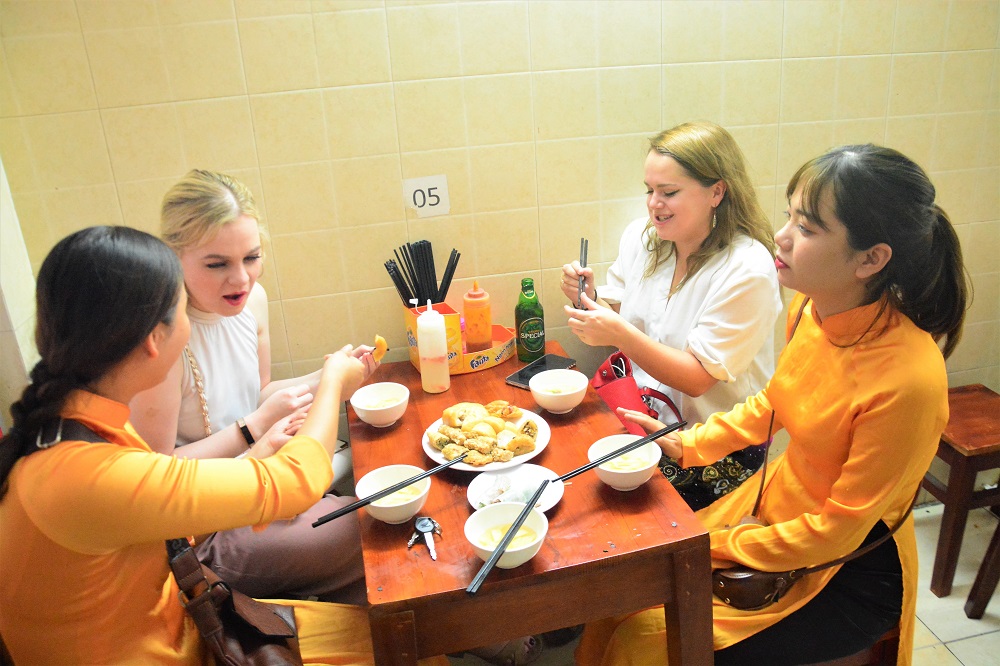
A Hanoi Food Tour Led by Women is a useful way to begin a regional food journey. Local women guides can introduce Northern dishes while explaining the ingredients, traditions and everyday food habits behind them.
The experience is suitable for couples, families, solo travelers and private groups. It can also be combined with motorbike sightseeing so you can reach several neighborhoods during the same food experience.
Regional Food by Motorbike
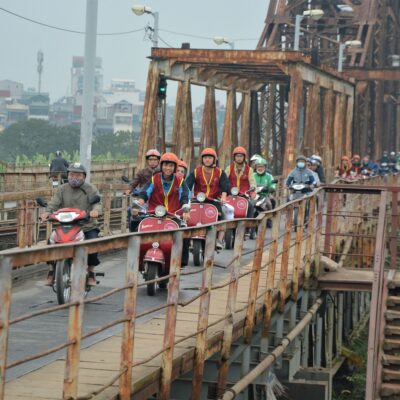
A motorbike food tour works particularly well in Hanoi and Ho Chi Minh City because the best food is often spread across different neighborhoods.
Instead of spending the entire evening in one restaurant, you can ride through the city, stop for a specialty dish and then continue to another area.
The movement between food stops becomes part of the experience.
Why Food Changes With Geography
Geography explains a great deal.
The Red River Delta supports rice cultivation and freshwater agriculture, helping shape the food traditions of Northern Vietnam.
Central Vietnam’s coastline, mountains and more demanding climate contribute to distinctive seafood, herbs and stronger seasonings.
The Mekong Delta provides extensive waterways, tropical fruit, coconut, freshwater fish and fertile agricultural land, all of which appear throughout Southern cooking.
Food is therefore a direct reflection of the landscape.
How History Influenced Regional Cuisine
Vietnam’s history also shaped its regional food.
Hanoi’s long political and cultural history contributed to highly refined Northern traditions. Hue’s role as an imperial capital encouraged elaborate preparation and carefully presented dishes. Southern Vietnam’s trade connections and tropical environment encouraged a more diverse use of ingredients and culinary influences.
The resulting cuisine is not one fixed tradition but a collection of regional traditions connected by shared Vietnamese principles.
The Five Tastes Across Vietnam
Vietnamese cooking frequently seeks balance among sweet, sour, salty, bitter and spicy elements, although the emphasis changes from region to region.
Northern dishes often emphasize subtle balance.
Central dishes may use stronger chili and fermented flavors.
Southern dishes frequently highlight sweetness and tropical ingredients.
Learning this makes it easier to understand why a dish can feel “very Vietnamese” while tasting completely different from one you ate two days earlier.
North-to-South Vietnamese Food Comparison
| Dish / Ingredient | North | Central | South |
|---|---|---|---|
| Phở | Clear, restrained | Regional variations | Sweeter, more garnishes |
| Bánh xèo | Less common | Smaller regional styles | Large, crispy styles |
| Spring rolls | Nem rán | Regional variations | Chả giò |
| Noodle soup | Phở, bún thang | Bún bò Huế | Hủ tiếu |
| Coffee | Egg coffee | Salt coffee | Iced milk coffee |
| Sweetness | Moderate | Moderate | More pronounced |
| Chili | Usually restrained | More prominent | Common but variable |
| Coconut | Less central | Used in some dishes | Very common |
| Fresh fruit | Available seasonally | Available widely | Especially abundant |
Final Thoughts
Regional Vietnamese food is one of the best reasons to travel through the country rather than staying in one destination. Hanoi teaches you about subtle Northern flavors through phở, bún chả, bánh cuốn and chả cá. Hue introduces stronger Central seasoning with bún bò Huế and small steamed rice specialties. Hoi An adds cao lầu and mì Quảng, while Ho Chi Minh City and the Mekong Delta showcase cơm tấm, hủ tiếu, bánh xèo, cá kho tộ, canh chua and tropical produce.
The most rewarding approach is to stop asking which region has the “best” food. Northern, Central and Southern cuisine are doing different things, shaped by different landscapes and histories.
Instead, try the local specialty wherever you are.
Eat phở in Hanoi, bún bò Huế in Hue, cao lầu in Hoi An and cơm tấm in Saigon—and let the changing flavors tell you where you are in Vietnam.
Discover Regional Vietnamese Food With Motorbike City Tours – Led by Women
For travelers beginning their food journey in Hanoi, a Hanoi Food Tour Led by Women can provide an easy introduction to Northern Vietnamese cuisine before you continue toward Central and Southern Vietnam. A local guide can take you beyond the internationally famous dishes and introduce you to neighborhood specialties, traditional cafés, markets and small family-run eateries.
Combining food with a motorbike experience also makes it easier to explore different parts of Hanoi during one outing. You can taste a Northern specialty, ride through another neighborhood, stop for Vietnamese coffee and continue discovering the city between food stops.
Contact Motorbike City Tours
MOTORBIKE CITY TOURS
Address: 91 Tho Nhuom Street, Hoan Kiem District, Hanoi, Vietnam
Phone / WhatsApp 24/7: +84 988 402 008
Email: info@motorbikecitytours.com
Website: motorbikecitytours.com
Hanoi Food Tours Led By Women
Hanoi Motorbike Tours Led By Women
Hanoi Vespa Tours Led By Women
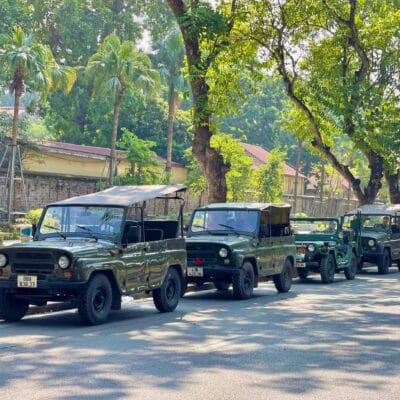
Hanoi Jeep Tours Led By Women
Hanoi Bicycle Tours Led By Women
Private & Small-Group Experiences
The contact information above is taken from the official Motorbike City Tours website.
Start in Hanoi, taste Northern Vietnam, continue south and discover how the landscape, history and local ingredients change the food from one region to the next.